
What to Expect During a Home Electrical Safety Inspection

An electrical safety inspection is one of the most valuable things you can do for your home — and one of the most overlooked. Unlike plumbing leaks that show themselves, electrical hazards hide behind walls until something goes wrong.

Here’s what a professional inspection covers and when you should get one.

What Gets Inspected

Electrical Panel

  • Panel condition — corrosion, scorch marks, loose connections
  • Breaker function — each breaker tested for proper operation
  • Capacity — is your panel adequate for current and planned loads?
  • Brand check — Federal Pacific and Zinsco panels flagged as safety hazards
  • Labeling — circuits properly identified (code requirement)

Outlets and Switches

  • Ground testing — every outlet checked for proper grounding
  • Polarity — hot and neutral wires in correct positions
  • GFCI protection — required in kitchens, bathrooms, garages, outdoors, and basements
  • AFCI protection — required in bedrooms and living areas (2014+ code)
  • Physical condition — cracked, loose, or damaged outlets and covers

Wiring

  • Wire type and condition — aluminum wiring (fire risk), knob-and-tube (uninsurable), deteriorated insulation
  • Junction boxes — all connections properly enclosed (open splices are hazards)
  • Overloaded circuits — too many outlets/lights on a single circuit

Safety Devices

  • Smoke detectors — working, properly placed, not expired (they have 10-year lifespans)
  • CO detectors — required on every level in Massachusetts
  • Surge protection — whole-house surge protector check

When You Need an Inspection

  • Buying a home — general home inspections only do a surface-level electrical check. A dedicated electrical inspection catches what they miss.
  • Home is 25+ years old — wiring, outlets, and panels degrade over time
  • After a renovation — verify new work meets code and doesn’t overload existing circuits
  • Frequent electrical issues — tripping breakers, flickering lights, warm outlets
  • Insurance requirement — some insurers require inspections for older homes
  • Before adding major loads — EV charger, hot tub, home addition, generator

What Happens After

You’ll receive a written report documenting:

  1. Safety hazards (immediate attention needed)
  2. Code violations (should be corrected)
  3. Recommendations (improvements for safety and function)

Not everything flagged needs immediate action. Your electrician will prioritize issues by safety risk so you can plan and budget accordingly.

How Much Does It Cost?

A comprehensive home electrical inspection in Massachusetts typically costs $150-$300 depending on home size. It’s one of the best investments in home safety — catching a $200 wiring problem before it becomes a $50,000 fire is the entire point.

Schedule Your Inspection

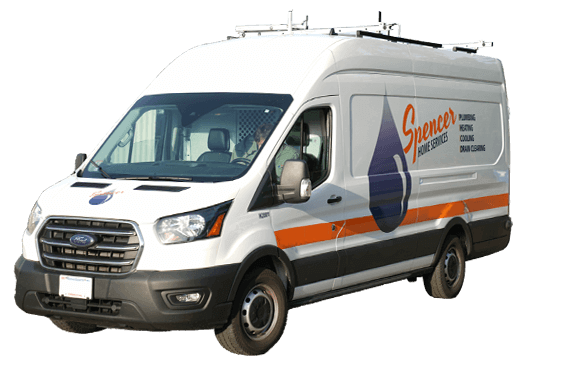
Spencer Home Services performs thorough electrical safety inspections with detailed written reports. Our licensed electricians check every panel, outlet, switch, and wire in your home.

Same-day inspections available. Serving Peabody, Salem, Danvers, Beverly, and 30+ North Shore MA communities. Call (978) 293-5770 or book online.
When to Call an Electrician: 7 Electrical Problems You Shouldn’t Ignore

Electrical problems aren’t like a dripping faucet — you can’t ignore them and deal with it later. Electrical issues cause over 50,000 home fires per year in the US. Here are seven warning signs that mean you need a licensed electrician, not a YouTube tutorial.

1. Outlets or Switches Feel Warm

Outlets and switches should never be warm to the touch. Warmth means excessive current flow, loose connections, or damaged wiring behind the wall. A warm outlet under load (like a space heater) is one thing — a warm outlet with nothing plugged in is dangerous.

What to do: Stop using the outlet immediately. Don’t plug anything in. Call an electrician for an outlet inspection and repair.

2. Flickering or Dimming Lights

A single flickering bulb is usually a loose bulb or bad fixture. But when multiple lights flicker, especially when an appliance kicks on, that indicates:

  • Overloaded circuit
  • Loose connection at the panel
  • Failing main service connection
  • Undersized wiring

This is especially common in older Massachusetts homes with original 60-100 amp panels trying to handle modern loads.

3. Burning Smell Near Outlets or Panel

This is an emergency. A burning or smoky smell from an outlet, switch, or your breaker panel means arcing — electrical current jumping across a gap, generating intense heat. This is how wall fires start.

What to do: Turn off the circuit at the breaker. If you can’t identify which circuit, turn off the main breaker. Call an emergency electrician immediately.

4. Frequent Breaker Trips

Breakers trip to prevent fires — that’s their job. But if you’re resetting the same breaker repeatedly, the underlying problem isn’t going away. Common causes:

  • Too many appliances on one circuit
  • Short circuit in the wiring
  • Ground fault
  • Failing breaker (yes, breakers wear out)

A panel assessment will determine if you need new circuits, a larger panel, or just a breaker replacement.

5. Two-Prong Outlets (No Ground)

If your home still has two-prong outlets, your wiring lacks a ground conductor. Grounding is a critical safety feature that redirects fault current away from you and into the earth. Without it:

  • Surge protectors won’t work (they need ground to redirect surges)
  • Shock risk is higher
  • Appliances are unprotected

Don’t just swap in three-prong outlets without rewiring — that’s a code violation and doesn’t add actual ground protection. Proper rewiring with grounded circuits is the right fix.

6. Buzzing or Crackling Sounds

Electricity is silent when everything is working correctly. Buzzing, crackling, or sizzling from outlets, switches, or your panel means arcing, loose connections, or failing components. Don’t investigate by opening the panel yourself — this is electrician territory.

7. Sparks When Plugging In

A brief, small blue spark when plugging in is normal (that’s the circuit completing). But large sparks, yellow/white sparks, sparks that smell, or sparks from an empty outlet indicate loose wiring, damaged outlets, or short circuits.

The Cost of Waiting

Electrical problems don’t fix themselves. They get worse. A loose connection that flickers your lights today can start a fire next month. The cost of an electrician’s diagnosis ($75-$150 typically) is nothing compared to fire damage, insurance claims, and risk to your family.

Spencer Home Services offers whole-home electrical safety inspections that check your panel, outlets, wiring, and grounding. Same-day service, upfront pricing.

Licensed electricians serving Peabody, Salem, Danvers, Beverly, and 30+ North Shore MA communities. Call (978) 293-5770 or book online.

Whole House Generator: How to Choose the Right Size for Your Home

A whole house generator keeps everything running when the power goes out — but buying the wrong size wastes money. Too small and it can’t handle your loads. Too large and you overpaid for capacity you’ll never use.

Here’s how to figure out what you actually need.

Understanding Generator Sizing (kW)

Generators are rated in kilowatts (kW). Your home’s electrical loads determine what size you need. Here’s what common appliances draw:

ApplianceRunning WattsStarting Watts
Central AC (3-ton)3,5007,000
Electric furnace blower5001,000
Refrigerator150400
Well pump (1/2 HP)1,0002,000
Sump pump (1/3 HP)8001,300
Electric water heater4,5004,500
Electric dryer5,0006,000
Lighting (whole house)1,0001,000
Home office (computer, monitor, router)500500

Starting watts matter. Motors (AC, pumps, compressors) draw 2-3x their running watts when they kick on. Your generator needs to handle these surges.

Quick Sizing Guide

Small Home (under 1,500 sq ft)

10-14 kW — Covers essentials: heating/cooling, refrigerator, lights, well pump, a few outlets. Won’t run everything simultaneously but keeps the house livable.

Medium Home (1,500-3,000 sq ft)

16-22 kW — Most popular size. Covers HVAC, all kitchen appliances, lights, sump pump, and most daily-use circuits. The 20kW Generac Guardian is the most commonly installed unit in this range.

Large Home (3,000+ sq ft)

22-36 kW — Whole-house coverage including electric water heater, dryer, EV charger, pool equipment, and multiple HVAC zones. Some large homes with all-electric heating may need 36kW+.

Natural Gas vs. Propane

Standby generators run on either natural gas or propane (LP):

Natural Gas

  • Unlimited fuel supply (utility line)
  • No tank to refill
  • Slightly lower output per unit vs. propane
  • Best choice if you have a gas line

Propane (LP)

  • Works anywhere (no gas line needed)
  • Higher energy density = more power per gallon
  • Requires a tank (250-500 gallon typical)
  • Need to monitor fuel level and schedule refills
  • Best for rural areas without natural gas

Massachusetts-Specific Considerations

  • Nor’easters and ice storms can cause multi-day outages. Size your generator to run continuously for 3-5 days minimum.
  • Permits required — Massachusetts requires electrical and gas permits for generator installation
  • Setback requirements — generators must be placed specific distances from windows, doors, and property lines (varies by town)
  • Transfer switch — required by code; automatically switches your home to generator power during outages
  • Sound ordinances — some North Shore towns have noise restrictions; modern generators (60-70 dB) generally comply

Top Brands We Install

  • Generac — market leader, widest range of sizes, excellent parts availability
  • Kohler — premium build quality, quieter operation, commercial-grade engineering
  • Briggs & Stratton — solid mid-range option, good value

Get Properly Sized

The best way to size a generator is a professional load calculation. Spencer’s generator installation service includes a free on-site assessment where we calculate your exact electrical loads and recommend the right unit.

Free estimates. Licensed electricians serving Peabody, Salem, Danvers, Beverly, and 30+ North Shore MA communities. Call (978) 293-5770 or book online.

EV Charger Installation at Home: What Massachusetts Homeowners Need to Know

You bought an electric vehicle — now you need to charge it at home. While you can plug into a standard outlet, most EV owners quickly realize that Level 1 charging is painfully slow. Here’s everything you need to know about installing a proper home charger in Massachusetts.

Level 1 vs. Level 2 Charging

Level 1 (Standard 120V Outlet)

  • Uses the cord that came with your car
  • Adds 3-5 miles of range per hour
  • Takes 40-60 hours for a full charge on most EVs
  • No installation needed — just plug in
  • Fine for plug-in hybrids with small batteries

Level 2 (240V Dedicated Circuit)

  • Requires a 240V outlet or hardwired EVSE unit
  • Adds 25-40 miles of range per hour
  • Full charge overnight (6-10 hours)
  • Requires professional electrical installation
  • Recommended for all full-battery EVs

For most Massachusetts homeowners with a daily commute, Level 2 is the practical choice. You plug in when you get home, wake up to a full charge.

What Installation Involves

  1. Panel assessment — Does your panel have capacity for a 40-50 amp circuit? Most Level 2 chargers need a 50-amp dedicated circuit. If your panel is at capacity, you may need a panel upgrade first.
  2. Circuit installation — New 6-gauge wire run from panel to charging location (garage, driveway, carport)
  3. EVSE mounting — Wall-mounted charging unit installed and connected
  4. Permit and inspection — Massachusetts requires electrical permits for EV charger installations

Cost Breakdown

ComponentTypical Cost
Level 2 EVSE unit$300-$700
Electrical installation (panel nearby)$500-$1,200
Electrical installation (long wire run)$1,200-$2,500
Panel upgrade (if needed)$2,000-$4,000

Total typical range: $800-$3,200 (without panel upgrade)

Massachusetts Incentives

Massachusetts offers several programs that can reduce your costs:

  • Mass Save rebates — Check current offerings for EV charger installations
  • Federal tax credit — 30% of installation cost (up to $1,000) through the Alternative Fuel Vehicle Refueling Property Credit
  • Utility programs — National Grid and Eversource offer time-of-use EV rates (charge overnight at lower rates)

Choosing a Charger

Popular home Level 2 chargers:

  • ChargePoint Home Flex — adjustable amperage, WiFi connected, widely compatible
  • Grizzl-E — weather-resistant, simple, reliable, good for outdoor installation
  • Tesla Wall Connector — best for Tesla vehicles, integrates with Tesla app
  • JuiceBox — smart features, energy monitoring, good app

All major brands work with all EVs (Tesla included, with adapter). Your electrician can advise on the best unit for your setup.

Common Questions Before Installation

Can I install it outside?

Yes. Most Level 2 chargers are NEMA 4 rated (weather-resistant). Outdoor installations in driveways and carports are common. Your electrician will use weather-rated conduit and a weatherproof outlet or hardwired connection.

Do I need a dedicated circuit?

Yes. EV chargers must be on a dedicated circuit per code — no sharing with other appliances.

What if my garage is detached?

Detached garages often need a new underground wire run from your main panel. This adds cost ($500-$1,500 depending on distance) but is very doable.

Get a Free Estimate

Spencer Home Services installs all major EV charger brands. We assess your panel capacity, recommend the right unit, handle permits, and get you charging. Learn more about our EV charger installation service.

Serving Peabody, Salem, Danvers, Beverly, and 30+ North Shore MA communities. Call (978) 293-5770 or book online.

Do I Need a Panel Upgrade? Signs Your Electrical Panel Is Outdated

Your electrical panel is the heart of your home’s electrical system. It distributes power to every circuit, and if it can’t keep up with your home’s demands, you’ll know — tripped breakers, flickering lights, and in worst cases, fire risk.

Here are the signs it’s time for an upgrade.

6 Signs You Need a Panel Upgrade

1. Your Panel Is 100 Amps or Less

Most modern homes need 200 amps minimum. If your home was built before 1980, you likely have a 100-amp (or even 60-amp) panel. That was fine when homes had a fridge, a TV, and some lights. Today’s homes run central AC, electric dryers, EV chargers, home offices, and more. A 100-amp panel simply can’t keep up.

2. Breakers Trip Frequently

Occasional trips are normal — that’s your panel doing its job. But if you’re resetting breakers weekly, your circuits are overloaded. This means your panel doesn’t have enough capacity for your electrical demands.

3. You Still Have a Fuse Box

Fuse boxes were standard before the 1960s. They work, but they’re not designed for modern loads, they don’t trip like breakers do (fuses blow and need replacing), and many insurance companies charge higher premiums or refuse coverage for fuse box homes.

4. You’re Planning a Major Addition

Adding a home office, finishing a basement, installing an EV charger, or adding a hot tub? Each requires significant electrical capacity. If your panel is already near capacity, you’ll need an upgrade before adding new circuits.

5. You See Scorch Marks or Smell Burning

This is an emergency. Scorch marks on your panel, a burning smell near your breaker box, or warm/hot breakers mean arcing is occurring — a serious fire hazard. Call an electrician immediately.

6. Your Home Has Federal Pacific or Zinsco Panels

These brands were common in the 1960s-80s and are known safety hazards. Federal Pacific Stab-Lok breakers have been documented to fail to trip during overloads, creating fire risk. If you have either brand, replacement is strongly recommended regardless of other symptoms.

What Does a Panel Upgrade Involve?

  1. Assessment — electrician evaluates current panel, home’s electrical load, and future needs
  2. Permit — Massachusetts requires permits for panel upgrades (your electrician handles this)
  3. Utility coordination — power company disconnects and reconnects service
  4. Installation — old panel removed, new panel installed, circuits reconnected (typically 6-8 hours)
  5. Inspection — local inspector verifies code compliance

How Much Does a Panel Upgrade Cost?

In Massachusetts, a 200-amp panel upgrade typically costs $2,000-$4,000 depending on:

  • Current panel size (60→200 costs more than 100→200)
  • Whether the meter base needs replacement
  • If the service entrance cable needs upgrading
  • Accessibility of the panel location

Spencer provides free estimates with upfront pricing — no surprises after work begins.

Don’t Wait for a Problem

Panel failures don’t give warnings the way a leaky faucet does. An overloaded panel can cause a fire behind your walls. If you recognize any of the signs above, get an electrical panel assessment from a licensed electrician.

Spencer Home Services — licensed electricians serving Peabody, Salem, Danvers, Beverly, and 30+ North Shore MA communities. Call (978) 293-5770 or book online.