SEPTIC VS. SEWER: WHICH IS RIGHT FOR YOU?

As homeowners, you must understand our different options when managing your wastewater. So this article helps you understand the comparison of septic vs. sewer systems and decide which is best for your home.

Septic systems treat your wastewater on-site, whereas sewer systems direct it to a centralized treatment plant. Both options have unique benefits, which will be discussed throughout the write-up. The goal is to give you the necessary knowledge to make the best choice for your home and lifestyle!

DIFFERENTIATION BETWEEN SEPTIC VS. SEWER SYSTEMS

The distinction between septic and sewer systems is self-evident. A septic system on your property handles wastewater, and the homeowner is responsible for the cost of installing and maintaining the system. On the other hand, a sewer system directs waste water to a municipal facility run by the local government and funded by taxes and fees.

TYPES OF SEPTIC SYSTEM

The types of septic systems can vary widely. Here are the most common types of septic systems:

CONVENTIONAL SEPTIC SYSTEM

Being the most straightforward type, conventional septic systems consist of a septic tank and a trench called a drain field to treat the wastewater. They are typically installed at small businesses or single-family homes. It is a design that has been used for decades. They are usually large in overall footprint.

CHAMBER SYSTEM

Chamber systems are another type of septic system which are gravel-less drain fields made from recycled material. These systems consist of a series of connected chambers.

AEROBIC SEPTIC SYSTEM

Aerobic septic systems use the same processes as municipal sewage plants but on a smaller scale. They contain oxygen that provides additional treatment for nutrients in the effluent. They also reduce pathogen levels.

RECIRCULATING SYSTEM

Recirculating sand filter septic systems are suitable for high water tables and provide a high level of treatment for nutrients.

MOUND SEPTIC SYSTEM

A mound system is ideal for areas with shallow soil depth or bedrock.

PROS OF A SEPTIC SYSTEM

Comparing septic vs. sewer systems, septic ones are environmentally friendly. They require less infrastructure and energy than treatment plants and rely on chemicals to remove wastewater. They are also essential to conserve your local water supply. Besides, they replenish groundwater and nourish plants and trees. They also allow you to live independently, far from the hustle and bustle of the city.

It is more cost-efficient to install a septic system than to join municipal sewer lines to your property. Since they have no connection with the municipal sewer network, there are no monthly water bills to deal with wastewater on your property.

CONS OF A SEPTIC SYSTEM

One drawback of septic systems is that they may require you to change your habits. They can treat a limited volume of waste each day. You may need to adjust your bathroom and laundry habits to avoid overloading your system. Furthermore, it would help if you were careful of what you put down your drains.

Food scraps or cooking oils can clog septic pipes. Strong chemicals can kill the bacteria that treat wastewater in your system. Another disadvantage of septic systems is maintenance costs. The pumping-out of septic tanks every three to five years is your duty. Regular maintenance maximizes the lifespan of a septic system, but individual parts do not last forever.

As the system components deteriorate, sewage backups, foul smells, pooling water, and slow drains are possible. You are responsible for the expense of replacing damaged parts, including pipes, lids, tanks, and pumps. You must also have ample space for installing a septic system. It is important that you don’t drive vehicles, build pools or pile snow in that area.

TYPES OF A SEWER SYSTEM

There are a total of three types of sewer systems: sanitary, storm, and combined sewers.

SANITARY SEWER

A sanitary sewer’s primary function is transporting waste from homes to wastewater treatment plants. These systems are designed to handle human waste and readily biodegradable manufactured solids like toilet paper and tissues. Many miles of piping, maintenance holes, and pumping stations are required to move waste through the system.

STORM SEWER SYSTEM

Storm sewers, also known as surface or runoff sewers, collect and transport rainwater, snowmelt, and irrigation runoff into storm drains in parking lots, streets, and gutters. These drains are linked by a network of underground pipes that transport the water directly to rivers, lakes, and other bodies of water without treatment at a treatment plant.

COMBINED SEWERS

Combined sewers are a hybrid of sanitary sewer and storm sewer systems. They are rarely used nowadays due to the potential health risks to people and the environment.

PROS OF SEWER SYSTEMS

One of the sewer system’s significant advantages is improving the quality of life. They provide a healthy and appropriate way to manage wastewater. Also, they help preserve the natural environment and reduce the risks of environmental problems. Tertiary treated effluent at the treatment plant is reused for agricultural purposes.

Another advantage is that the sewer system is connected to a centralized treatment plant. So you can maintain the system as the government handles it. They also reduce the financial and social consequences resulting from the direct damage to properties caused by flooding.

CONS OF SEWER SYSTEMS

The major disadvantages of sewer systems include the cost reliance on public systems as well as the risk associated with them. Sewer systems need to be connected to massive networks of public sewer pipes. Repairs and maintenance to these systems become more and more frequent as the density of the population increases.

Sewer systems can get risky as well, mainly due to the potential for leaks and environmental contamination. Sewer leaks can contaminate water sources, making them unsafe for humans, animals, and plants to use. It can also increase the risk of disease, alter the local environment, and cause flooding.

FACTORS TO CONSIDER: SEPTIC VS. SEWER

Consider a few things while deciding what to choose between a septic vs. a sewer system. The most crucial factor is the size and location of your property. Choose a septic system if you have a large property in a rural area.

Septic system allows more flexibility in terms of places and design. However, a sewer system is the only option if you live in an urban area. Another important factor is local regulations and zoning laws. You must check with your local government to see what kind of systems are allowed in your area and what permits are required.

Finally, consider your property’s potential for future expansion or development. If you’re planning to build a new structure or add to your current home, you must ensure that your chosen system can accommodate that growth.

CONCLUSION

Choosing a septic vs. sewer system can be challenging for homeowners, but it is essential. By comprehending the differences between the two systems, weighing the pros and cons, and considering factors such as property size and location, local regulations & zoning laws, and potential for future expansion or development, homeowners can make an informed decision that best suits their needs and circumstances.

Remember that it’s always a good idea to contact the professionals at Spencer Home Services to determine the best option for your property. Ultimately, whether you choose a septic or sewer system, it’s essential to ensure that your wastewater is adequately treated to benefit your household and the environment. Check out our Google reviews to see what your neighbors are saying about Spencer Home Services!
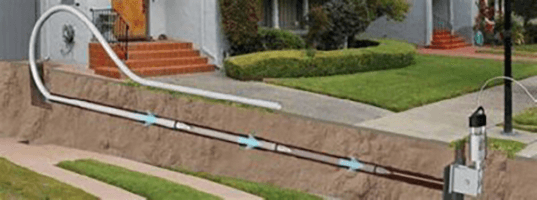
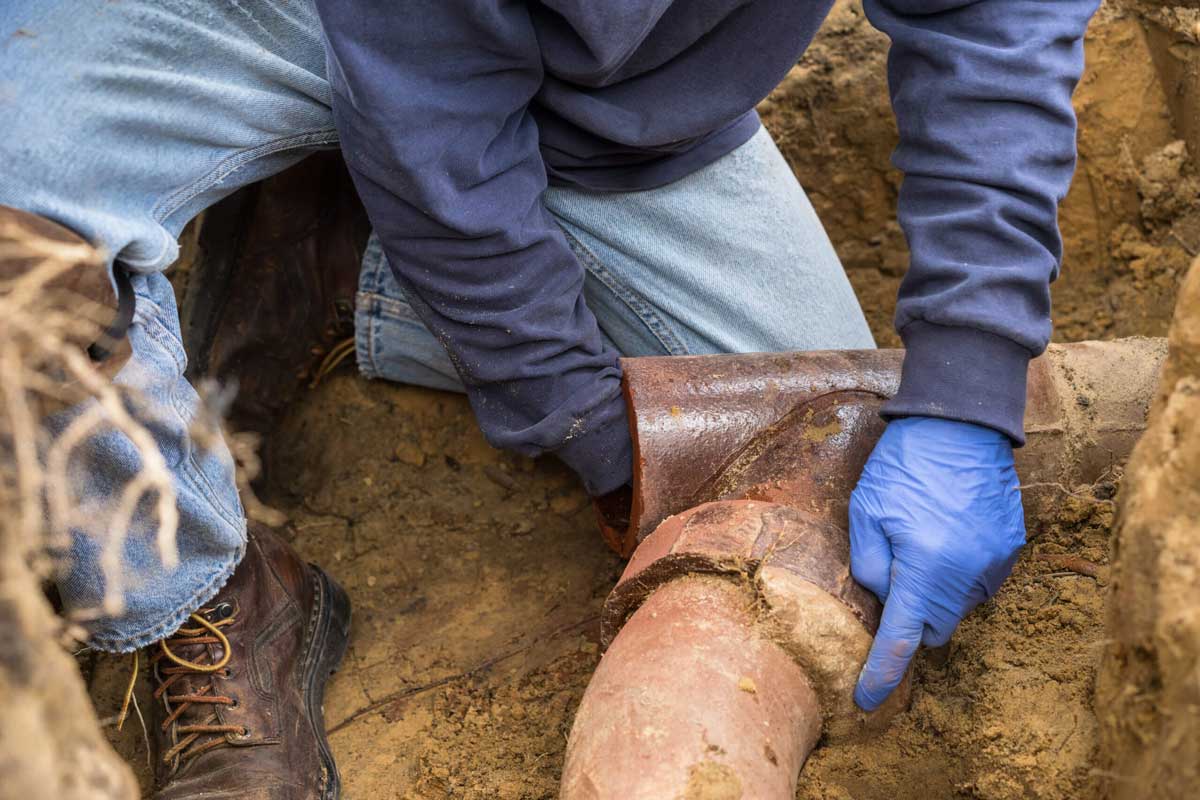
HOW DOES TRENCHLESS SEWER REPAIR WORK?

Trenchless Sewer Repair Work

Damage to your sewer pipe is probably the last thing you want to hear as a homeowner. Not only can it be expensive, traditional sewer repair means workers and heavy equipment digging up your front yard. This is far from ideal, and we know it. That’s why in a lot of situations, Massachusetts and New Hampshire homeowners should opt for trenchless sewer repair. But how does trenchless sewer repair work?

TRENCHLESS SEWER REPAIR PROCESS

While it seems impossible or maybe like magic, trenchless sewer repair is oftentimes the best approach to sewer repair. The methods used are often less expensive than traditional pipe repair, but they are also significantly less invasive. As a Massachusetts or New Hampshire resident, this is why you need trenchless.

SEWER INSPECTION

First, a camera is snaked through your drains to identify the issue or location of the damage. This is the most accurate and effective way to assess damage, allowing us to determine the most appropriate approach to repair. Usually, this can be done from within the home.

TRENCHLESS SEWER REPAIR METHODS

Once the issue has been determined, there are a couple of ways to go approach it:

Pipe Lining

Trenchless sewer pipe lining repairs involve a flexible resin-coated tube being pulled or blown into the damaged pipe. The resin then hardens, creating a new pipe within the old one. The process is perfect for older properties with dated systems and can help existing lines last a further 50 years.

Pipe Bursting

The bursting method is thought to be more superior to pipe lining. It’s preferred for sewer line repairs as it’s less likely to corrode or get damaged by harsh cleaners and chemicals. A hydraulically powered bursting head pulls a seamless, high-quality HDPE pipe replacement, in the place of the existing pipe, without losing any capacity. Bursting can also be more cost-effective when there are challenging obstacles around your line, such as patios, porches, trees, and pavement.

Now that your question, “how does trenchless sewer repair work?” has been answered, I’m sure you realize why this is the best method of sewer pipe repair for your Massachusetts or New Hampshire home. If you are interested in saving your property from additional damage after a broken sewer pipe, call Spencer Home Services. Be sure to check out our reviews while you’re here!

TREE ROOTS IN SEWER LINE: HOW TO PREVENT

Tree Roots in Sewer Line

When tree roots get into your sewer line, they can cause sewer backups that prevent your sewer from draining. This can lead to devastating breaks requiring expensive sewer pipe repair. But how can you prevent roots from getting into your sewer line?

HOW TO PREVENT TREE ROOTS IN YOUR SEWER LINE

While tree roots aren’t always preventable, there are ways to prevent larger issues in the future. Here are two different types of tree root prevention you can consider for your home!

BARRIERS

Like your car, your sewer pipes can benefit from preventative maintenance. Addressing and recognizing issues before they appear can save you time, headache, and lots of money. Chemicals can actually be injected into your soil to prevent roots from growing in the injected section. Physical barriers can be made as well, though they should be installed when the sewer line is already dug up for the best results.

LANDSCAPING

The easiest thing you can do to prevent roots from growing around and in your sewer pipe is to avoid planting rooting plants near your sewer line. This will prevent any additional chances of problems occurring. Otherwise, you can move trees away from sewer lines. If you can’t do either of those, be sure to have someone, preferably Spencer Home Services, regularly inspect your sewer line to address issues before they can become more serious.

If you think you have tree roots in your sewer line, call Spencer Home Services today to schedule a sewer inspection or replacement, and be sure to check out our spectacular reviews!

COMMON PLUMBING PROBLEMS YOU MAY ENCOUNTER BEFORE WINTER ENDS IN PEABODY

Common Plumbing Problems

When the temperature starts dropping and winter arrives, it lasts for months on end, at least for us here in Massachusetts. Don’t let that impact your home plumbing. Below, we go into detail about common winter plumbing problems in Peabody so you can learn what to look out for and how to be proactive about your seasonal plumbing maintenance!

FROZEN AND BURST PIPES

When the temperature drops in Massachusetts, the chance of your pipes freezing goes up. Anytime the temperature drops below freezing for an extended period of time, you are at risk of pipes freezing, too.

The pipes in the most danger are those in basements and attics. These spaces are typically less insulated than other rooms in your home and can freeze more easily. These spaces are also the least visible in your home, so you may not notice the frozen pipe immediately.

A frozen pipe left alone can easily turn into a burst pipe. A burst pipe causes flooding damage and loss of water to parts of your home. In order to prevent these problems, it is critical to have a functioning heating system. This is your first defense against frozen pipes. Insulating those exposed areas, such as attics and basements, will reduce the chance of frozen pipes along with a warm home.

If your pipes do freeze- don’t panic. Your local technicians at Spencer Home Services are here to help. We can assist with repairing your burst pipes.

WATER LINE LEAKS

If you’ve had small water leaks in the past, leaving them to get worse during the winter can spell disaster. The freezing temperatures put a strain on pipes and can turn a small leak into a burst water line. Before the cold weather sets in, you should inspect any faucets and pipes in your home for leaks. Calling a local plumber from Spencer Home Services will ensure that your home will stay dry and damage-free this winter.

WATER HEATER ISSUES

Imagine waking up on a cold morning in Peabody ready to take a relaxing, hot shower only to find upon entering it that your water heater isn’t working.

A water heater malfunction during the coldest months of the year is the last thing you and your family need. However, if you have an older model or have not maintained the current unit, a breakdown may be just around the corner.

It is crucial to have your water heater regularly serviced in order to prevent early heater breakdown. If your model is more than 10-12 years old, it’s probably time to get a full replacement. Call a professional technician at Spencer Home Services today to schedule your water heater replacement!

CLOGGED DRAINS

The winter months bring an increase in family visitors and parties in Massachusetts for the holidays. These celebrations usually involve cooking more in your home and an increased demand put onto your drains and pipes. When food particles and grease enter your pipes, they can stick to the side of your pipes and block drainage. In the winter the colder temperatures may stiffen grease and food particles making them more likely to block water flow to drains.

This kitchen problem is in addition to the many visitors who will be taking showers in your home, increasing hair and soap scum flowing down your drains. The last thing you want is clogged drains with a house full of family and friends. If you notice any of your pipes becoming slow to drain, call Spencer Home Services to help you out before a full-blown clog forms. Once a clog forms, it becomes a much larger job to fix than a partial blockage. Let us help you sail through winter with no issues!

Once you have identified and inspected all the common winter plumbing problems in Peabody, feel free to call Spencer Home Services to help you address any outstanding issues. Make sure you also check out our outstanding reviews!

DON’T FORGET TO CHECK THESE 4 PLUMBING FIXTURES BEFORE BUYING YOUR NEXT HOME

plumber inspecting plumbing fixtures

Buying a new home can be a really exciting time with big plans, big dreams . . . and if you’re not careful, a really big bill to fix up anything that was missed in a home inspection. Fortunately, there are quick and easy ways to ensure that 4 major plumbing fixtures are up to snuff before you sign on the dotted line — saving you major money in emergency bills! Add to your peace of mind and let your excitement flow freely by checking out your sewer system, water heater, toilets and pipes before you make the final commitment to buy a new home.

SAVE YOURSELF SOME SUFFERING

Sure, there might be a slight upfront cost in getting someone qualified to come take a look at the plumbing fixtures, but that’s nothing compared to some of the pains you’re likely to experience if you give this step a miss:

  • Wasted Time. What could possibly be more fun than sitting at home and waiting for a repairman to show up and fix your plumbing? Probably just about everything other than major dental surgery.
  • Daily Annoyances. Some people would argue that the inability to take a shower for several days while you’re trying to get on someone’s repair schedule is a bit more than an annoyance — and we agree! Don’t give up the little conveniences like the ability to wash your clothes, hair and dishes due to broken pipes.
  • Out-of-Pocket Costs. Plumbing problems can be incredibly expensive, making it important to add on any necessary upgrades or fixes to your contract for the seller to pay for before you decide to purchase a new home. Putting your family in the situation of having to take out a loan to pay for new toilets is not going to make you very popular in your home.

KEEP EVERYTHING FLOWING FREELY

When you work with a qualified plumber to determine what (if any) fixes are needed for your home before you purchase, you’ll see some real benefits such as:

  • You’ll rest well at night knowing that your family is well-protected by any kind of malignant bacteria that could float around from faulty plumbing.
  • Your family’s financial future is secure because you’re not faced with the burden of thousands of dollars in repairs.
  • When your plumbing is working correctly, you’ll find that everything else in life just . . . well, flows.
  • Security of knowing that your family’s water supply is safe, and that you’re not introducing toxins into your family’s home.

CHECK THESE SYSTEMS FIRST

When you’re buying a new home, there are certain plumbing systems that you’ll want to have checked out by a certified plumber, such as:

  • Main Sewer. Knowing that the toilets flush properly and water isn’t backed up in the sink is not enough to ensure that the sewer system is working as it should. Check with the current homeowner to see when the sewer system was last serviced, and invest in a simple camera inspection by a qualified plumber. You might be surprised the thousands of dollars you can save by finding problems before they grow in scope.
  • Water Heater(s). No one likes a cold shower, so knowing that your water heater(s) have been correctly installed and are operating within their required parameters is an important task before you buy a home. It doesn’t hurt to ask when the water heater was last replaced, either — water heaters are an expensive item and many of them are not built to last more than 10 years or so. Hot, steamy water flowing through your kitchen or living room could ruin expensive flooring and even damage the underpinnings of your home.
  • Toilets. Thousands and thousands of lifetime flushes can really impact the ability of toilets to maintain leak-free seals. While a few tiny drips of moisture in various places may not seem like much to get excited about, when you’re dealing with water even a small amount of liquid can cause significant damage to your new home. Have a licensed professional check for softness or discoloration in the flooring around the base of your toilet — both of which are warning signs that there may be something larger that is a problem.
  • Pipes. A massive network of pipes lies under and throughout your home, and the groupings of copper, lead and galvanized pipes all work together to keep things flowing smoothly and keep leaks to a minimum. When there’s a breakdown of any element of your pipe system, you could have significant problems both now and in the future.

From sewer systems to pipes, toilets to water heaters — there are all manner of hidden problems that your new home’s plumbing system could encounter. The advice of a trusted and reliable plumber is critical to ensuring that you are not overwhelmed with repairs soon after you move into your new home. Contact us today to learn more about getting a pre-purchase inspection for your new home.

Think you need plumbing service in the North Shore or the surrounding area? Call Spencer Home Services today! Or check out our stellar Google reviews and see why our customers keep coming back for all their home service needs!

Most Common Plumbing Emergencies and What to Do When They Happen

Spencer's plumber at work

Picture this: You’re in bed late at night. You’re just about to drift off to sleep when, all of a sudden, you hear it: faint noises of water dripping through your home. This is a standard prelude to a really unpleasant time. Plumbing emergencies never strike you at a convenient time because there’s never a convenient time to be without plumbing. Sadly, it does happen and the intrepid homeowner needs to know what to do when the unexpected strikes. Here are some of the most common plumbing emergencies and what you need to do to mitigate them.

Clogged Toilet

By far the most common plumbing emergency, and it’s not even close. A toilet clog occurs when too much material is flushed down the toilet at once. Usually this is caused by an excess use of toilet paper, but can also be cause by flushing of improper materials like paper towels, wet wipes, dental floss, personal hygiene products, dearly departed pet fish, and just about any other thing you can think of other than natural wastes and toilet paper. When clogged, a toilet will not properly void itself of water when flushed, leading to overflows, leaking, and eventually burst pipes if the issue goes on long enough.

When your toilet clogs, you should try a standard plunger to remove the blockage. Failing that, the best course of action is to avoid flushing the toilet while you wait for the plumber. And maybe try to find a different restroom to use in the meantime.

Leaky Pipes

A minor inconvenience or a full-blown nightmare depending on how early you can catch it, leaky pipes are one of the most easily explainable plumbing problems. Pipes are not forever, they do break down over time. About every 50 years is the average pipe’s lifespan, so odds are you’ll only have to face this problem once, but a leak can still bring a lot of damage if you don’t catch it in time. Water damage can lead to mold growth, unpleasant odors around the house, structural damage to the home, and decreased property value.

When you notice a leaky pipe, the best thing to do is call up a plumber to remedy the issue with a professional repair or replacement, but while you wait for them to arrive, there are a number of plumbing tapes you can employ to effect a band-aid style fix for temporary relief.

No Hot Water

Have you suddenly found yourself with no hot water? You probably have a water heater issue. More than likely there’s a water heater leak of some sort, impacting your system’s ability to provide warm/hot water. Leaks are among the easiest water heater issues to fix.

When you notice a lack of hot water, call a plumber, and try to limit your water usage in the home until they arrive. If the water heater leak is apparent, you can try a similar band-aid fix to wait out until help arrives.

Sewage Backup

One of the most major plumbing emergencies you can experience as a homeowner is a sewage issue. Sewage systems repairs and replacements are more involved than an average leaky pipe, and as such, can cause even more damage. Sewer issues are most commonly caused by clogs, but tree roots are another major culprit. As they grow and expand outward, roots often come into contact with sewage lines, damaging and displacing them. Some of the common early warning signs of sewage problems are noticing foul smells around your property, discolored water backing up into your sink or toilet, and sewage backing up and flooding through your yard.

When you notice a sewage problem, there’s honestly not a ton else you can do as an average homeowner other than calling a plumber. Avoid flushing and using other elements of your plumbing system where at all possible to decrease the damage being done.

Flooding/Sump Pump Failure

When it rains it pours. And when it pours you need your sump pump to be working overtime to make sure your basement doesn’t experience flooding. If you’re noticing an abundance of water in your basement, your sump pump has probably failed you. In particularly wet storms your pump can become overworked and stop working, be clogged with debris, or short out.

There’s not much you can do once you notice this problem, short of grabbing a bucket and manually removing the water from your home. If you’re expecting massive rain, make sure your pump is in working order beforehand.

CONTACT US

Obviously, when you’re dealing with a plumbing emergency of any type of plumbing emergency, the best course of action is to call a licensed and trained plumbing professional. That’s what we’re here for. When you need an emergency plumber, Spencer is just a phone call away!

Founded by Peter Holland, Spencer Home Services is a reputable and experienced company you can trust. Our team of experts knows how to spot a leaky pipe with ease and expertise. Contact us to schedule service today!

HOW TO PREP YOUR HOME’S PLUMBING BEFORE A VACATION

plumbing maintenance

Summer’s officially here and in full swing. The kids are out of school, the weather is beautiful, and you’re ready to go on vacation for some well-earned R&R. But isn’t there something you’re forgetting? Your plumbing! Yes, I’m sure your plumbing is fairly low on the list of things you’re worried about before you head to the beaches, but it’s something you should definitely be aware of. Unless you have someone watching your home while you’re gone, any number of things can go wrong with your house while you’re away for a week or more. Homeowners across America all too often find themselves coming home to massive flooding, out of control leaks, and more. By taking a few simple precautions, you can mitigate risks for plumbing disasters before your vacation and rest easy during your time off.

TURN OFF THE WATER

The biggest way to curb potential plumbing issues before you go on vacation is to just shut the water off entirely. Can’t come home to water damage if there’s no water flowing through the house. The main valve is your friend in this situation; the trick is remembering to turn it back on when you’ve come back from your vacation. You’d be surprised how many people call plumbers for this, and it’s normally a pretty funny situation.

DRAIN THE WATER FROM EXISTING FIXTURES

So now the water’s off at the source, you need to make sure the water that’s already in your pipes is out and clear. This can be done by simply running the fixtures until the water stops coming out. Here are a few of the things you should drain to make sure the water is completely out of the house:

  • Sprinkler Systems
  • Water Heater
  • Faucet
  • Shower Head
  • Appliances (Dishwasher/Washing machines)

SET YOUR WATER HEATER TO VACATION MODE

Your water heater probably has a setting for situations like this. Vacation modes lower the amount of energy your water heater expends during the duration of your absence. This helps you save on energy in a big way, as the majority of the average home’s energy bills comes from hot water. Most heaters have the information for turning on vacation mode on the side of the heater itself, but if yours does not, a plumber will be able to help you here.

CHECK AND CLEAR YOUR GUTTERS

While not traditionally thought of as part of your plumbing system, you don’t want the gutters to fail before you go on vacation. Your gutters facilitate water flow from your roof and relocate it away from the foundation. Unfortunately, as any homeowner can tell you, it’s incredibly easy for gutters to clog with leaves, dirt, and other miscellaneous gunk. This can lead to a flooded roof or foundation, so before you head out, make sure they’re clear and ready for whatever summer rains may strike while you’re away.

CONSIDER GETTING A HOUSE SITTER

If you’re going to be gone for an extended period of time, there’s no better way to keep your home safe than keeping an extra set of eyes on it. A friend, family member, or even trusted coworker can swing by each day and make sure everything is ok with your property. This is honestly one of the most effective things you can do, since they can keep an eye on more than just the plumbing.

CONTACT US

If you still need some pointers or have some questions about what to do with your plumbing before going on vacation, don’t worry. We’re here to help! Founded by Peter Holland, Spencer Home Services is a reputable and experienced company you can trust. Our team of experts knows how to service your plumbing with ease and expertise. Contact us to schedule service today!

MISTAKES TO AVOID WHEN DEALING WITH YOUR WATER HEATER

tankless water heater unit

Not everyone is a water heater expert. That’s what we’re here for. But, in true DIY spirit, sometimes folks try to work on their systems by themselves. When that happens, they’re prone to make some mistakes. Mistakes that often end up being more costly than the problem they were trying to fix in the first place.

Obviously the best way to avoid these mistakes is to consult with professionals who can walk you through the intricacies of your water heater. Failing that, here are five of the most common water heater mistakes people make when they take matters into their own hands.

Poor Research

Just like your old high school English teacher told you, doing the reading is very important. Especially with commercial water heaters. Most hoteliers and property managers tend to skimp on their research for the water heater required. They fail to understand the exact hot water needs for their buildings. The uninformed customers then end up buying equipment that doesn’t meet their energy and capacity requirements.

Wrong Size Installation

When you’re talking about water heaters, getting the right size matters. Wrongfully estimating your hot water needs may lead to the purchase of incompatible equipment. Underestimation creates water shortages, which can be disastrous especially for commercial establishments like for hotels, restaurants, and apartment blocks. Conversely, over shooting your estimations results in higher operational costs and wasted water.

So what’s the happy medium? Identify the peak hours people are using hot water within the building and use this information to determine the properly sized model for those needs.

Ignoring Energy Efficiency Ratings

Energy efficiency isn’t just an inconvenient truth anymore. It’s an unavoidable reality. Initial investment costs are high enough, so you need to consider how much money your system costs you to run. Research shows that water heating accounts for approximately 18% of the average property’s energy use.

Investing in a properly equipped, energy efficient water heater can cut that down by 15%. A tankless model can save 22% more than a traditional model. If money is important to you, you need to explore all options to calculate cost based on a long term view as opposed to immediate savings.

Over-Focusing on Initial Investment

The initial cost of the system is surely a big deciding factor. But it shouldn’t be the only one. Ignoring factors like energy efficiency, size, and fuel type and storage options may prove to be costly in the end. Don’t shy away from investing in high-quality equipment that will serve your property or business for years to come.

CONTACT US

If you’re guilty of any of the above, don’t worry. We all make mistakes here and there. The important thin is we make sure we take the proper steps to get them fixed. If you need a professional water heater repair Peabody, MA, we can help.

Founded by Peter Holland, Spencer Home Services is a reputable and experienced company you can trust. Our team of experts knows how to spot a leaky pipe with ease and expertise. Contact us to schedule service today!

HOW TO SPOT A LEAKY PIPE

Spot A Leaky Pipe

The last thing you want is a leaky pipe. Leaking pipes lead to water damage in your walls or floors, costing you money. They can also quickly turn into fully burst pipes which can flood large areas of your home. How can you stop a leaky pipe from ruining your home? Learn the warning signs of leaks and take action by calling the plumbing experts at Spencer.

SIGNS YOU HAVE A LEAKY PIPE:

  • Your Bills Have Gone Up: If you notice an increase in your water bill, but you have not been using any more water than usual, a leaky pipe may be the culprit. Water bills tend to be predictable so be aware of any sudden spikes.
  • Discoloration in Your Ceiling: If your ceilings are turning a rusty brown or yellow color there is a leak somewhere in your home. These stains are especially common in rooms below bathrooms. A little water spilling from the bath is not enough to create prominent discoloration spots on your ceiling. Only constant water dripping would create these issues. Call a plumber to inspect the area as soon as you notice this sign.
  • Mold or Mildew: Mold and mildew occur in wet areas. A small amount is normal inside your shower stall and is easily removed by regularly cleaning. If you are finding mold or mildew on non-shower walls or in corners of the bathroom, this is probably from a leak. Mold is not only a sign of a leak, but it is also dangerous to inhale. If you notice mold in your home, contact a plumber from Spencer.
  • Musty Smell: A common sign of a leaky pipe is a persistent damp smell. If you’re cleaning regularly and that musty smell just won’t go away, there may be a pipe leak somewhere in your home.
  • Peeling Wallpaper or Wet Walls: Water leaks will make wallpaper pull away from walls or make wall structures buckle. If you have a leaky pipe near a wallpapered section of the home, you will notice this pulling and bubbling. If your walls appear to be wet or buckling, this is also a sign of a leaky pipe. Your wall should be straight and show no signs of sagging or dampness.
  • Water Accumulation and Spongy Floors: This is the most apparent sign you have a leaky pipe in your home. If you see any water pooling around pipes, call a plumber immediately. When your floors feel spongy and soft to walk on then that is a sign of water damage. Floors should feel solid and secure, not soft and fragile.

Do not let a leaky pipe with minor damages escalate into a full-blown flood in your home. Look for signs of leaky pipes and contact a plumber immediately if you notice anything out of the ordinary. The faster you take care of a small leak, the more hassle you will avoid down the line. Call the experts at Spencer today to schedule an appointment!

CONTACT US

If you notice any of the above red flags, you might just have a leaky pipe. However, some leaks are trickier to find than others and need a plumber to detect for certain. If you need a professional leak detection and repair in Peabody, MA, we can help.

Founded by Peter Holland, Spencer Home Services is a reputable and experienced company you can trust. Our team of experts knows how to spot a leaky pipe with ease and expertise. Contact us to schedule service today!

5 TIPS TO UNCLOG A KITCHEN SINK

unclogging kitchen sink

There are few feelings worse than needing to rush through your morning routine and encountering a slow-moving drain. Clogged sinks can be stinky and inconvenient while also potentially causing water backups. Fortunately, unclogging a kitchen sink is often one of the easiest home repairs.

There are countless causes of clogged drains, including a buildup of coffee grounds, grease, and other food particles. You can learn how to unclog a kitchen sink drain quickly and easily, no matter the reason. Here are five tips to unclog your kitchen sink.

INSPECT THE GARBAGE DISPOSAL

Before we dive into hands-on tips to unclog your kitchen sink, consider inspecting your garbage disposal. Try letting the garbage disposal run for a few minutes to see if the disposal is potentially malfunctioning. If the disposal isn’t working properly, it won’t grind up food particles, which can lead to a blockage.

Once the problem has been repaired by a professional, remember to maintain the disposal regularly. Chopping ice cubes with your disposal can help keep the device running in peak condition.

TRY POURING BOILING WATER

Is your garbage disposal working properly? If so, then it’s time to discuss effective drain cleaning methods. If you want to learn how to unclog a kitchen sink drain with a method that involves little effort, boiling water might be your answer.

Boiling water is a clogged kitchen sink hack that many homeowners swear by. Bring a pot of water to a boil, then slowly and carefully pour the boiling water down the affected drain. Repeat the process a few times if necessary to remove the blockages. For the best results, follow this by pouring baking soda and vinegar down the drain.

Additionally, don’t pour boiling water down your drain if you have PVC pipes. This hot water can potentially damage your pipes.

USE BAKING SODA & VINEGAR

One clogged kitchen sink home remedy you can try is a mixture of baking soda and vinegar.

Pour one cup of baking soda down the affected drain, followed by one cup of vinegar. Next, cover the drain and let the mixture sit for up to 15 minutes. Afterward, flush the drain with hot water. You might feel tempted to tackle clogged drains with a chemical cleaner, but this DIY method will be gentler on your pipes.

There are still many more useful tips to unclog your kitchen sink.

CONSIDER PLUNGING THE CLOG

If you don’t have any baking soda and vinegar on hand, you can still learn how to unclog a kitchen sink drain. For instance, a plunger could be the most effective method if you have a smaller clog. First, remove any standing water from the clogged sink with a bowl or cup. If you have double sinks, you want to seal off the clog-free drain with a plug.

Now it’s time to use the plunger. Place the plunger cup over the affected drain and quickly plunge up and down. If this method removes the clog, flush the drain afterward with hot water.

USE A PLUMBING SNAKE

Was your plunger ineffective at removing the blockage? You might want to try using a plumbing snake. You can purchase a manual or electric drain snake at a local home improvement store.

To use a plumbing snake, insert the snake into the clogged drain until you feel resistance. Next, crank the snake to collect the blockage. Once you have a hold on the obstruction, you can remove the snake from the drain. If this method doesn’t work, you might need to clean the P-trap.

While there are several tips to unclog your kitchen sink, some methods are better left to a drain cleaning expert. If you don’t feel comfortable using a drain snake, contact Spencer Home Services for our professional clogged drain services.

CONTACT US

Consider using one of these tips to unclog your kitchen sink the next time you encounter a slow drain. However, some tough clogs might have you calling a plumber instead. If you need a professional drain repair in Peabody, MA, we can help.

Founded by Peter Holland, Spencer Home Services is a reputable and experienced company you can trust. Our team of experts knows how to unclog a kitchen sink drain with ease and expertise. Contact us to schedule a drain cleaning service today!