WILL POURING HOT WATER DOWN THE DRAIN UNFREEZE PIPES?

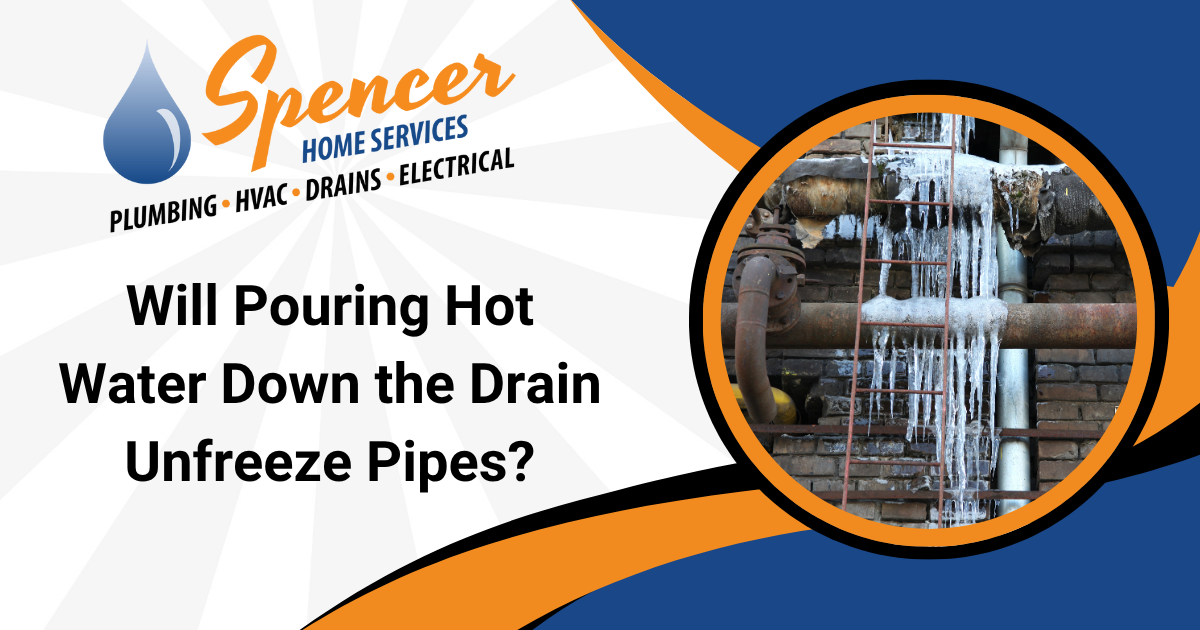
A frozen outdoor pipe covered in icicles sits beside a plumbing service ad questioning if pouring hot water down the drain will help unfreeze pipes.

Last Edited: November 26, 2025

Living in the state of Massachusetts means enduring extremely cold winters, and you may have wondered, will running hot water unfreeze pipes? If the frozen pipe is a drain pipe, the answer is yes. Frozen pipes can be a homeowner’s worst nightmare, and if your pipes freeze during the frigid winter months, you’ll want to address the problem as quickly as possible to avoid a burst pipe and prevent devastating water damage to your home. The experts at Spencer Home Services have some helpful tips about how to tell if your pipes are frozen, how to safely unfreeze a frozen drain pipe, and when to call our experienced plumbers for help. 

How to Tell If Your Pipes Are Frozen

Before you pour hot water down your drain, it’s important to know whether or not your pipes are frozen. Look for these warning signs of a burst pipe in Peabody, MA, that typically mean your pipes are completely frozen or in the process of freezing.

  • There is very little or no water whatsoever coming from your faucets when you turn them on.
  • Unusual gurgling, clanking, or banging noises coming from your pipes may indicate that ice is starting to move and block the flow of water.
  • Visible signs of frost on the outside of your pipes or a coating of condensation on the pipes.
  • Bulging or cracking pipes from the pressure of the expanded frozen water.
  • Water spots, rings on your walls or ceilings, or puddles of water anywhere in your home, may be due to a leak from a pipe that burst. 
  • Any unpleasant, sewer-like smells coming from your drains or faucets could be a sign of a frozen exterior sewer line that requires professional plumbing repairs as soon as possible. 

How to Safely Unfreeze a Frozen Drain Pipe

In some cases, pouring hot water down your drain should unfreeze the drain pipes. However, it’s very important that you take your time with this method and pour the water down the drain slowly to make sure that it works and that it’s done safely. 

Follow these steps to make sure that you know how to unfreeze pipes using hot water the right way.

  • Step one: Fill a pot with one-half gallon of water and bring it to a boil on the stove.
  • Step two: Once the water comes to a boil, remove the pot from the stove and let it cool slightly.
  • Step three: Pour the water down the drain carefully and slowly.
  • Step four: Turn your faucet on and allow a trickle of warm water to run for approximately five minutes. 
  • Step five: Repeat the process as needed, inspecting your drain and pipes each time to confirm that they’re completely thawed.

How to Unfreeze Pipes Without Using Hot Water

Knowing what to do when your pipes freeze is a smart way to address the problem before it turns into a major emergency. Fortunately, there are some other ways you can unfreeze your pipes without using hot water. Applying various heat sources to your pipes can make them thaw faster. Keep in mind that you should never use an open flame to thaw your pipes, because it creates a fire hazard. 

Here are some other simple methods you can use to unfreeze a drain pipe without hot water.

  • Apply electric heat tape to any exposed pipes to help them slowly warm and thaw.
  • Use a hair dryer to gently heat your pipes, keeping the appliance on and directed at the frozen area for around four to five minutes, but take special care not to let the pipe come in contact with the hair dryer.
  • Place a space heater directly in front of the frozen section of the pipe to raise the temperature of the room, which should slowly thaw and unfreeze it. 
  • Place a heat lamp aimed in the direction of the pipe, keeping it at a safe distance to prevent damage to the pipe and to keep it from thawing too quickly.
  • Wrap an electric heating pad on the low to medium setting around the frozen section of the pipe and leave it in place until the pipe thaws.
  • Soak some bath towels in hot water, wring them out, then place them around the pipe, replacing them every five to 10 minutes as needed. 

Tips to Prevent Frozen Pipes

While you can’t always keep your pipes from freezing 100 percent of the time, there are some things you can do to reduce the risk. Follow these tips to protect your pipes and keep them from freezing in the cold Peabody, MA, winters. 

  • Increasing your home’s temperature by a few degrees can help prevent a frozen pipe
  • Leaving your faucet open just enough for the water to trickle.
  • Insulate your pipes, especially in areas where they’re exposed, such as the basement, in the attic, or in the crawl space.
  • Thoroughly seal all cracks and gaps in windows, doors, and your home’s foundation.
  • Keep cabinets underneath your sinks open during the winter to allow warm air to reach the plumbing. 

When to Call a Plumber for Frozen Pipes in Peabody, MA?

There may be times when you need to call a professional plumber to address the issues with your frozen pipes. Here’s when you should contact Spencer Home Services if you encounter frozen pipes in your home.

  • You already see major water damage from a burst pipe.
  • You’ve thawed your pipes but still only see a trickle or if no water is coming out whatsoever.
  • You have frozen pipes that are hard to locate or when they’re in an inaccessible area.
  • You’ve tried some of the thawing methods listed for around 24 to 48 hours and the pipe is still frozen, contact a plumber.

Contact Spencer Home Services Today

From the community of Lynnfield to Peabody and beyond, Spencer Home Services is backed by decades of experience, expert technicians, and industry-leading warranties. We aim to deliver lasting solutions done right the first time, so our customers get peace of mind, not shortcuts. If you need help with frozen pipe repair or require other professional plumbing services, contact us today!

Frequently Asked Questions

Will boiling water unfreeze pipes faster?

Boiling water won’t necessarily unfreeze your pipes faster than just hot water, because you still need to pour it very slowly down the drain. In fact, we recommend using hot water rather than boiling water, since the extremely high temperatures of boiling water could damage your plumbing. 

How long does it take for pipes to unfreeze naturally?

It can take anywhere from a few hours to a few days for your pipes to unfreeze naturally. The length of time depends on how long the pipes were frozen, the location of the pipes, and how cold the temperature is. 

What temperature do pipes freeze at?

Technically, your pipes can freeze at temperatures at or below 32 degrees Fahrenheit. However, they’re more likely to freeze when they reach temperatures of 20 degrees or lower. Exposed pipes are much more vulnerable to freezing than pipes that are insulated or protected from cold temperatures. 
EVERYTHING YOU NEED TO KNOW ABOUT WATER HEATER LEAKS

water heater leaks

When you think about your water heater, you imagine hot showers and sparkling-clean dishes. We use our water heaters in our daily routines, from getting ready in the morning to cleaning the dinnerware at night. However, we seldom stop to consider the possibility of a leak.

A leaking water heater can be incredibly inconvenient, but it can also lead to unwanted water damage. Below, we’ll go over what causes a water heater to leak and how to prevent a leak from occurring.

5 COMMON CAUSES OF WATER HEATER LEAKS

Unfortunately, a water heater leak can occur for countless reasons. As a result, you may need to inspect your tank to identify the exact reason for the leak. So, what causes a water heater to leak?

Here are common problems that can lead to a leaky electric or gas water heater tank:

1. AGING UNIT

Old age can get the best of any household appliance or system—including your water heater. Most water heaters can last up to ten years before starting to malfunction. However, older units around 15 years old can be more prone to leaks.

Over long periods, your water heater can start to accumulate rust, which can corrode your tank and lead to cracks. As a result, leaks can appear.

2. INLET & OUTLET CONNECTIONS

You’ll find two pipes connected to the top of your tank: a cold water inlet and a hot water outlet. These connections allow the fixtures across your home to receive hot water. Since your water connections see a lot of use, they can potentially loosen and detach after some time.

If you have a loosened connection, you can use a pipe wrench to tighten it. However, before attempting any repairs, remember to turn off the power to your water heater. You’ll also need to close the water heater shut-off valve and close off the water supply.

3. FAULTY T&P VALVE

If you have a water heater leak, it’s also possible that the temperature and pressure relief valve is to blame. The T&P valve is a safety device that releases a minor stream of water when pressure builds to an unsafe level within the tank.

This valve can leak if it gets stuck in a half-open, half-closed position. Additionally, excessive pressure can cause the valve to malfunction. If you encounter a leaking T&P valve, it’s a good idea to contact a professional to perform a repair.

4. SEDIMENT BUILDUP

If you want to know what causes a water heater to leak, turn next to a homeowner’s nightmare: sediment buildup. Not only can sediment buildup lead to insufficient hot water and low water pressure, but it can also result in unexpected leaks. When sediment collects in your water heater tank, cracks can form. As such, it’s crucial to schedule regular water heater maintenance to clean the tank and flush out sediment.

5. LOOSE DRAIN VALVE

Your water heater’s drain valve is used to empty and “flush” the tank, often during maintenance services. Like the T&P valve, this specific valve can loosen over time, resulting in leaks.

If you notice a leak at the base of the drain valve, you’ll need to replace the valve. To check if this is the cause of your water heater leak, ensure that the valve is fully closed.

TROUBLESHOOTING YOUR LEAK

It’s not always easy to determine the cause of a leak. Now that we’ve reviewed what causes water heaters to leak, let’s go over how to identify your water heater’s problem according to the location of the leak. Commonly, leaks are found at the top or bottom of the tank. However, some leaks can also be internal.

LEAKING FROM THE TOP

If your water heater is leaking from the top, you’re most likely facing a problem with the T&P valve or the inlet and outlet connections. Most of the issues with these parts can be easily fixed with professional water heater repair services. If you require water heater repairs in Peabody MA, turn to the experts at Spencer Home Services.

LEAKING FROM THE BOTTOM

Leaks from the bottom of your water heater tank may indicate a problem with the drain valve. Fortunately, the drain valve can be repaired or replaced. However, a bottom tank leak may also mean that the entire water heater tank requires a replacement.

LEAKING INSIDE THE TANK

Internal water heater tank leaks are often the result of aging and corrosion. When this happens, it’s time to replace your water heater.

HOW TO AVOID A WATER HEATER LEAK

If you currently have a leaking unit, avoid another leak from happening with these tips:

  • Inspect Your Water Heater: Watch for loose parts and potential cracks. The sooner you notice them, the quicker you can fix them.
  • Fix Loosened Parts: Tighten loose parts, such as inlet and outlet connections, when necessary. Remember to take the proper safety precautions.
  • Schedule Routine Maintenance: Regular tune-ups will help keep your water heater tank in peak condition (and sediment-free).

CALL AN EXPERT

Sometimes, maintenance and repairs aren’t enough to fix your tank. If you have a water heater leak and it’s time to replace the entire water heater, call a plumber you can trust to get the job done right. We’re proud to install gas or electric water heaters according to our customers’ needs.

Contact us today to schedule a hot water heater replacement in Peabody, MA!

SEWER LINE BACKING UP? HERE’S EVERYTHING YOU NEED TO KNOW…

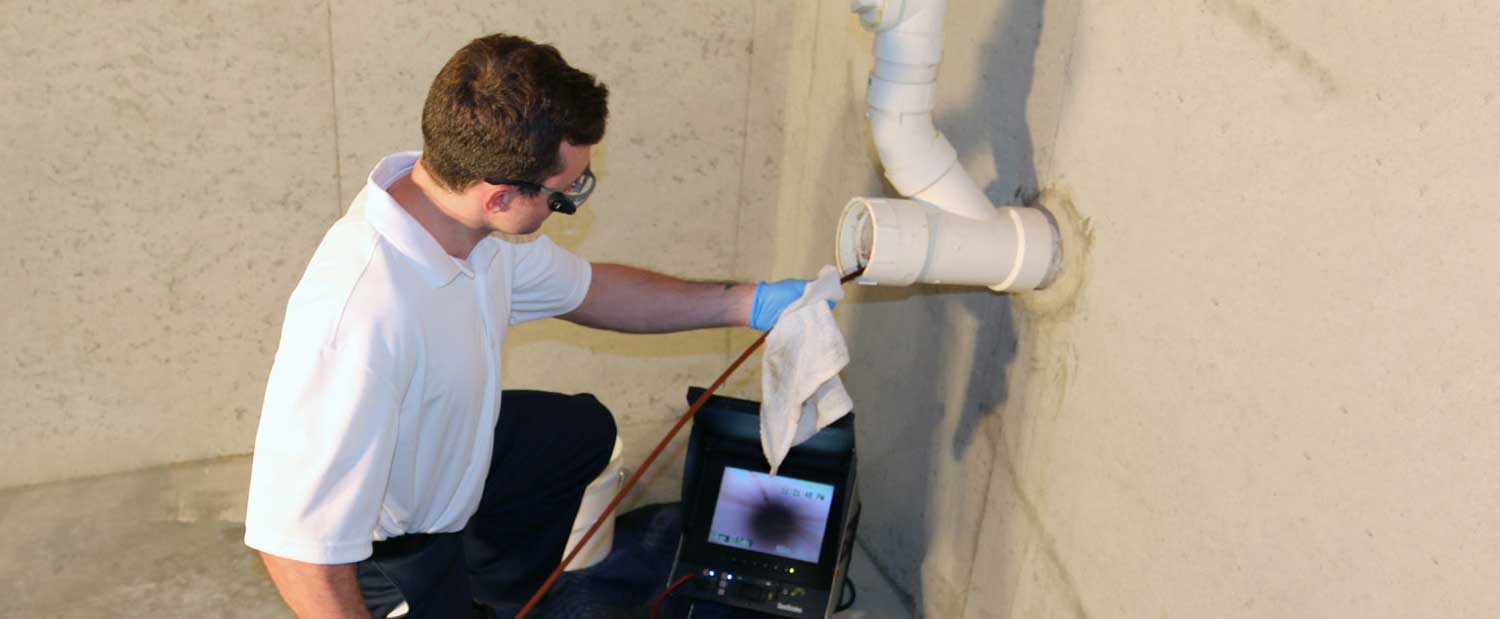
sewer camera inspection

A backed-up sewer line is a problem that no homeowner wants. Besides the inconvenience and the cost, it can also be hazardous to our health. Therefore, you always want to make sure you act fast.

If you suspect that you’re sewer line is backed-up, or if you want to avoid this problem in the future, here is everything you need to know.

Clogged Drain vs. Main Sewer Line Clog

Knowing if you have an issue with your sewer system or sewer drain is relatively easy. If it’s your drain line, you will typically only experience problems with one drain. However, if it’s your main sewer pipe, you may experience issues with plumbing fixtures all over your home. For example, sewer water backing up into your tub.

Why Does My Sewer Line Keep Backing Up?

If you’ve determined your plumbing problem is caused by your sewage lines, there are several possible causes. To find out for sure, you may need a camera inspection.

Tree Roots

Tree roots are the leading cause of sewer lines backing up. Your sewage pipes are very appealing to tree roots as they provide nutrients like water and oxygen. Plus, the ground around them is often disturbed, making it easier for roots to spread.

Tree roots seek weak spots, cracks, and joints in your sewer pipe. They can grow and reduce the diameter, causing misalignments or even collapsed pipes (most common in thin-walled PVC).

Old and Brittle Pipes

Old cast iron, clay, and concrete pipes are particularly susceptible to brittleness and corrosion. This makes it easier for roots to penetrate or debris to enter your line.

Incorrect Usage

Contrary to popular belief, not everything can be flushed down the toilet or garbage disposal. Only toilet paper should go down the toilet—especially in homes with septic systems.

It’s also important to know which items shouldn’t go down your kitchen sink–grease, coffee grounds, and eggshells are just a few examples.

What Can I Do To Help My Plumbing System?

There are several things you can do to prevent your sewer lines from backing up—for example, ensuring they’re used correctly.

If you are past the point of prevention, the first step is to determine whether you have a clogged drain or a backed-up sewer line. If you suspect it’s your sewer line, you must take immediate action as it can be hazardous. You may experience feces backing up into unwanted places or toxic gas releases.

Who Do I Call About a Broken Sewer Line?

Not all plumbers are licensed for sewer line repairs, so it’s essential that you research those who are. These professionals will have the knowledge to determine whether you need a repair or replacement and have the necessary equipment to follow up.

To find out the cause of your problem and where it is, they will insert a drain camera into your line. This also gives you confidence in the advice you’re receiving.

How Is A Backed Up Sewer Line Fixed?

If the clog is caused by grease, expert hydro jetting may just be enough to clear the blockage. Otherwise, you will likely need a pipe repair or replacement.

A repair is recommended if your sewer pipe is…

  • Reasonably accessible
  • Appropriately sized for the occupants in your home
  • Has a reasonable life expectancy after the repair costs

Your sewer line will need replacing if it is…

  • Orangeburg
  • Undersized for your home’s occupants
  • Bellied or collapsed
  • Deformed or deteriorated
  • Passed the existing pipe’s life span (typically 30 years)
  • You want a worry-free solution

Some businesses—like Spencer Home Services—offer trenchless sewer line repairs, which means you can avoid excavation. There are two methods for trenchless sewer repairs: trenchless pipe bursting and trenchless relining. The option we choose will depend on the landscape and compatibility of your home.

Why Our Company Is Right for Your Sewer Repair or Replacement

Spencer Home Services only uses top-quality materials to ensure a long life for your pipe.

We are members of Nexstar, a world-class business development organization with whom we’ve sworn a code of ethics. Our thorough training ensures we have the knowledge to give you one quote with no surprises later.

And finally, we understand that sewer line backups can be costly, so we offer a selection of financing packages.

Do you have a concern about your sewer pipes? Call Spencer Home Service on 978-440-1646, and ask about our sewer line repair and replacement services.

11 TIPS FOR DRAIN CLOG PREVENTION AND CLEANING

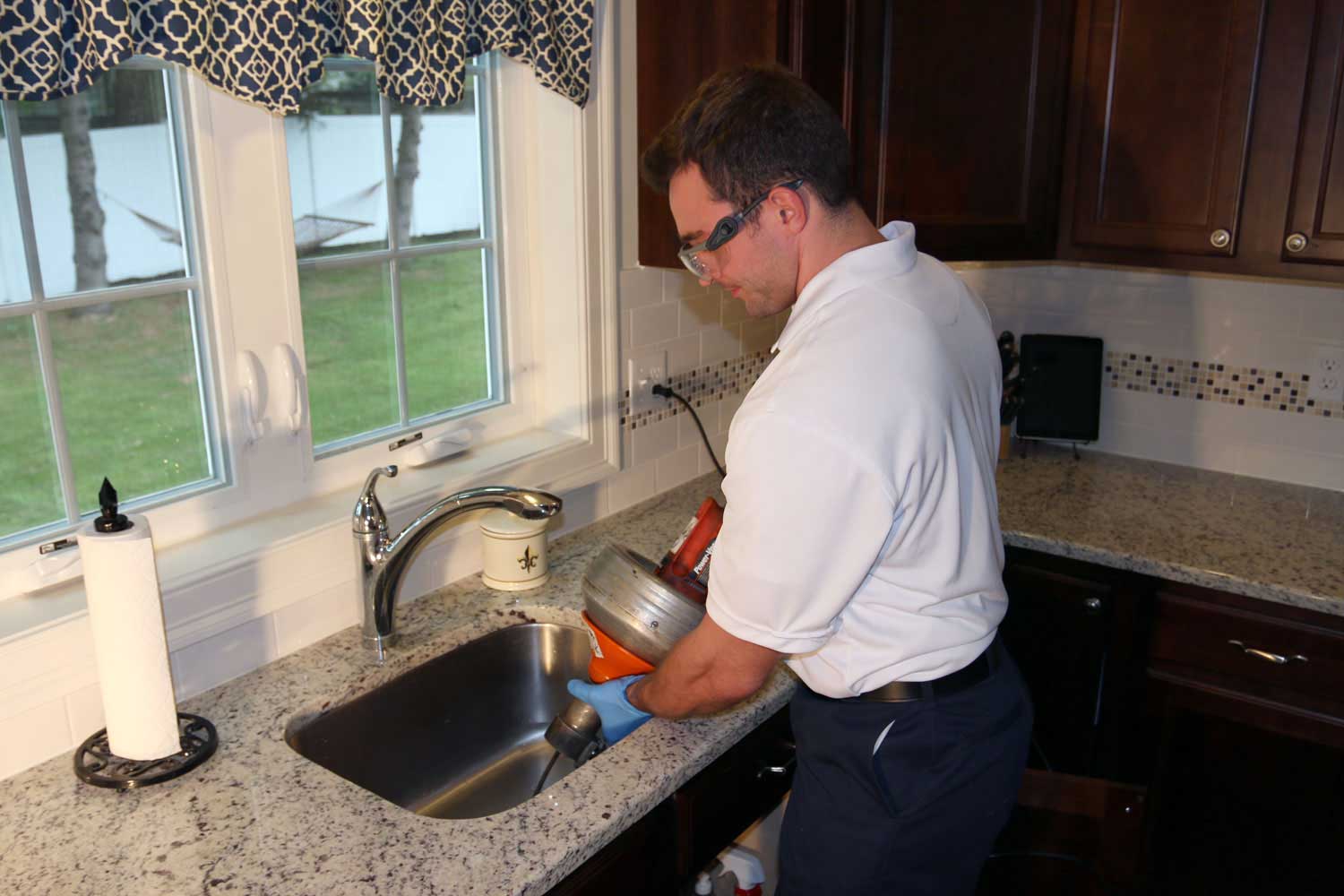
technician fixing the kitchen sink

Clogged drains come with the territory of being a homeowner and are almost impossible to avoid altogether. However, we have some drain clog prevention tips that can seriously better your chances—take a look!

Monthly Enzyme Treatments

Using enzyme treatments (or bacterial drain cleaners) is a great way to prevent clogged drains and treat them. Plus, they’re safe for septic systems and won’t damage your pipes—unlike chemical drain cleaners.

These treatments are available at most hardware stores and come in various forms, from liquids to sticks. They work by feeding on organic matters—like food and algae—and reproduce, spreading “good” bacteria throughout your drainage system.

Put Grease In The Trash

Pouring any form of grease down your sink is a big no, as it thickens and other things stick to it. The best way to dispose of grease is to wait until it hardens and throw it in the trash.

Pour Boiling Water Down Your Drain Pipe

Boiling water is a simple and easy way to prevent sink clogs produced by soap scum and build-up. We recommend using this tip once a week.

Flush Your Pipes with A Bucket of Water

Forget the plunger; throwing a bucket of water down your toilet is less messy and often more effective. The pressure from the water combined with the narrow-shaped pipe helps to push everything through.

Baking Soda and White Vinegar

This trick might become your new best friend! Pour half a cup of baking soda down the sink, followed by one cup of vinegar. Leave for ten minutes, and tip a bucket of boiling water down the plughole. If your sink is still draining too slow, repeat the process.

How does adding vinegar to baking soda unclog a drain? The chemical reaction creates carbon dioxide gas, which helps to lift dirt and freshens the smell. You can also use this trick to unclog a toilet.

Clear Your Pop-Up Stopper

Sink pop-up drain stoppers are great at catching hair and debris, but frequent cleaning is essential to prevent build-ups.

Switch to Composting

As convenient as a garbage disposal is, they do make you more clog-prone. The likes of coffee grounds, eggshells, and bones are all common culprits.

Saving your food scraps for composting comes with many benefits:

  • There are fewer chances of clogs
  • You’re creating food for your garden
  • A reduction in landfill waste
  • And more!

Only Flush Toilet Paper

You’d be surprised by some of the things we pull out of customer’s drains! The best way to avoid problems with your plumbing is only to flush toilet paper—this is especially important with older plumbing systems.

Add A Lint Catcher to Your Washing Machine

You’re probably familiar with the lint catcher on your dryer, but did you know you can add them to washing machines too? Installing a lint trap (or lint filter) will prevent lint, hair, and debris from clogging your washing machine’s pipes.

Like the filter on your dryer, you do need to monitor your trap and empty it regularly.

Avoid Rinsing Building Materials

Did you know that cement, grout, and joint compound can still set underwater? Instead of rinsing them in a sink, keep a water bucket and clean your tools as you work. Alternatively, you can try the below.

Brush Your Hair Before You Shower

A simple way to stop so much hair from going down the drain? Brush it first! This will remove any loose hairs before you shower, preventing clogs from forming. It also leaves a cleaner shower!

Need more than a couple of drain cleaning tips?

It’s impossible to stop every block from forming, and sometimes these DIY tricks may not work. In these moments, make sure you contact the team at Spencer and ask about our clogged drain services. We offer camera inspections and drain cleaning for just $99 each!

If you have regular clogs, we highly recommend a drain scope to see what is causing this recurring issue.

For example, you may have:

  • Tree roots growing through your pipe
  • A partially collapsed line
  • Rotten cast iron, allowing the soil to seep through

We have multiple ways to repair or replace your line—including trenchless pipe repairs. We will work alongside you to find the best solution and even offer financing options.

Need a hand with your plumbing? Call us today on 978-440-1646

HOW TO DEAL WITH TREE ROOTS IN YOUR SEWER LINE

sewer line checking

Gazing up at a large tree, we often admire its beauty and forget the complicated system below the surface, working hard to seek its water and nutrients.

Unfortunately, living by trees like this—although beautiful—can lead to damaged pipes, clogged drains, pipes, and sewer systems. And the problems don’t end with your drainage—root intrusions can also lead to issues with your foundations, septic tanks, and more.

But don’t worry. If this is something you’re experiencing, there are cost-effective solutions and ways to save your existing pipe. Best of all, you don’t need to dig up your entire lawn.

WHY ARE ROOTS ATTRACTED TO SEWER LINES?

Roots typically sit roughly six inches below the surface, seeking nutrients, such as water and oxygen, making your pipes very appealing.

Not only this, but the ground around your pipes is often disturbed, which makes it easier for root systems to spread. Hard surfaces, like driveways, are ideal, too, as the ground below is granular and porous.

These factors make homes perfect for roots, but the roots are far from perfect for your home!

HOW DO TREE ROOTS GET INTO PIPES?

There are several ways roots can get into a drainage system, but, essentially, they will look for cracks, weak spots, and joints along your sewer pipes.

Once the root’s found its way in, it continues to grow, reducing the diameter and blocking the flow—leading to problems like blockages, leaks, or even burst water mains.

HOW TO RECOGNIZE YOUR PIPES ARE DAMAGED OR BLOCKED

Several signs often point to roots in your sewer line:

  • Cracks in the pavement or driveway
  • Slow flowing drains
  • Water draining from your sink and/or toilet very slowly or not at all
  • Very green patches on your grass
  • A foul smell from the water blockage

SO YOU’VE SPOTTED THESE SIGNS. WHAT NOW?

If you suspect you need a sewer line repair, give our team a call to schedule a service. We’ll come out with our camera inspection system, which will show us exactly what the problem is and where.

The best thing about this service? It’s only $99 with Spencer’s camera inspection special!

REMOVING THE TREE ROOTS

Drain snaking is an effective method to remove tree roots. Our equipment has a rotating drill attached to the end of a cable that slices the roots and opens your drains so water and waste can flow through again. This is another service we offer for just $99!

However, there are times when the pipe’s damage is so significant it needs repairing or even replacing.

TRENCHLESS PIPE REPAIR AND HOW IT WORKS

Once the roots have been located and removed, we’ll start repairing your line.

A trenchless repair is when we orchestrate a pipe replacement without digging a trench. Instead, we’ll create a small hole and use one of two methods.

The first option is to use a hydraulically powered pipe bursting head. The second, is a trenchless sewer pipe lining repair.

Pipe bursting

Pipe bursting is the favored method for trenchless sewer repair. This is because it causes the least amount of disruption.

It is done by pulling a sleeve through the existing pipe, which is the same diameter as the previous pipe—meaning you don’t lose any capacity.

Pipe lining

With a pipe lining repair (or cured-in-place pipe), a flexible tube coated with resin is blown or pulled into the damaged line and inflated. The resin then hardens, making a jointless pipe within a pipe.

FINANCING

At Spencer Home Services, we understand that services like these aren’t typically planned and often come when you least expect it. This is why for larger jobs, like pipe repairs or pipe replacements, we also offer financing options.

Do you have blocked or damaged pipes from a tree root? Schedule a service or call us on 978-440-1646.

GET YOUR HVAC SYSTEM SUMMER-READY

Get Your HVAC System Summer Ready

It’s the first hot day of the year. You go to turn on your air conditioning, and nothing. It’s the last thing anybody wants, so it’s essential to make sure your HVAC system is fully serviced in the spring—that way, come summertime, you’re ready to go!

There are a few crucial steps to take in the spring—some you can do yourself, but others, it’s best to have an HVAC technician’s help.

Think of it like servicing your car or treating your fence. When you make an investment, you want to take care of it so that it lasts.

BENEFITS OF AN HVAC SERVICE

Lower Energy Bills

When your system is properly cared for, it will run more efficiently and use less energy—meaning more money in your pocket. Why pay extra when you don’t need to?

Fewer Repair Bills

While the HVAC contractor is examining your system, they will notice any minor wear and tears before they become major issues. Major issues equal big bucks, and that’s something nobody wants out of the blue.

More Reliable

Again, nobody likes unexpected costs. What would you rather, using your hard-earned cash towards something fun like a vacation or replacing your HVAC system?

We all want our equipment to last and work when we need it!

Better Air Quality

Dust and mold both can impact our health—especially if you have allergies—so ensuring your air system is free of them is vital. A spring clean and a change of filters will make the world of good.

SPRING HVAC MAINTENANCE ESSENTIALS

There are several steps an HVAC Contractor will take when servicing your system. These include cleaning, clearing clogs, changing filters, lubricating moving parts, and checking your thermostat.

However, there are also things you can do to help the longevity and reliability of your system without Air Conditioning Contractors.

Remove Debris

Make sure the area around your HVAC unit is clear (around 2 feet of space), removing any debris, such as leaves, branches, and trash. You should also ensure grass clippings don’t blow in that general direction.

Letting debris build-up can create clogs or mold, which can be detrimental to your health.

Test Your Cooling Function

Check your system is working now before you desperately need it. That way, if there is an issue, you can get it fixed right away before the last-minute rush.

Turn Off Your Furnace’s Humidifier

Remember to turn off the water going into your furnace’s humidifier before cooling season. Otherwise, you risk your central air conditioner not cooling or dehumidifying properly.

Keep Your Unit Level

You’d be surprised at the difference a balanced unit can make—it helps with the system’s longevity and the consistency from the air conditioning outputs. We want temperatures comfortable throughout your home or building and not just in certain areas.

Get A Smart Thermostat

This tip isn’t essential as such, but it does make a huge difference. Smart thermostats (also known as wifi thermostats) help with energy bills, track usage, and make life so much easier as you can control everything remotely!

For help and services on your HVAC system, get in touch with our team today.

5 REASONS YOUR HOUSE IS STILL COLD WHILE THE HEAT IS ON

house is cold while heater is on

We all want our homes to be warm while the heat is on. But if your house is still cold while your heat is running, it’s more than just an inconvenience. You could also be wasting money by paying to heat your home, only to have your vents, furniture, windows and doors, and ductwork block or leak warm air.

Here are five reasons your house might be cold while the heat is on:

1. Your vents are hindered

One of the first things to check is the vents. Make sure that the vents in your rooms are fully open to allow all the air to flow through. Also, make sure that nothing is blocking the vents. Curtains and furniture can block airflow, and the fabrics can absorb the heat from the vent.

2. Your furnace, boiler, or heat pump is faulty

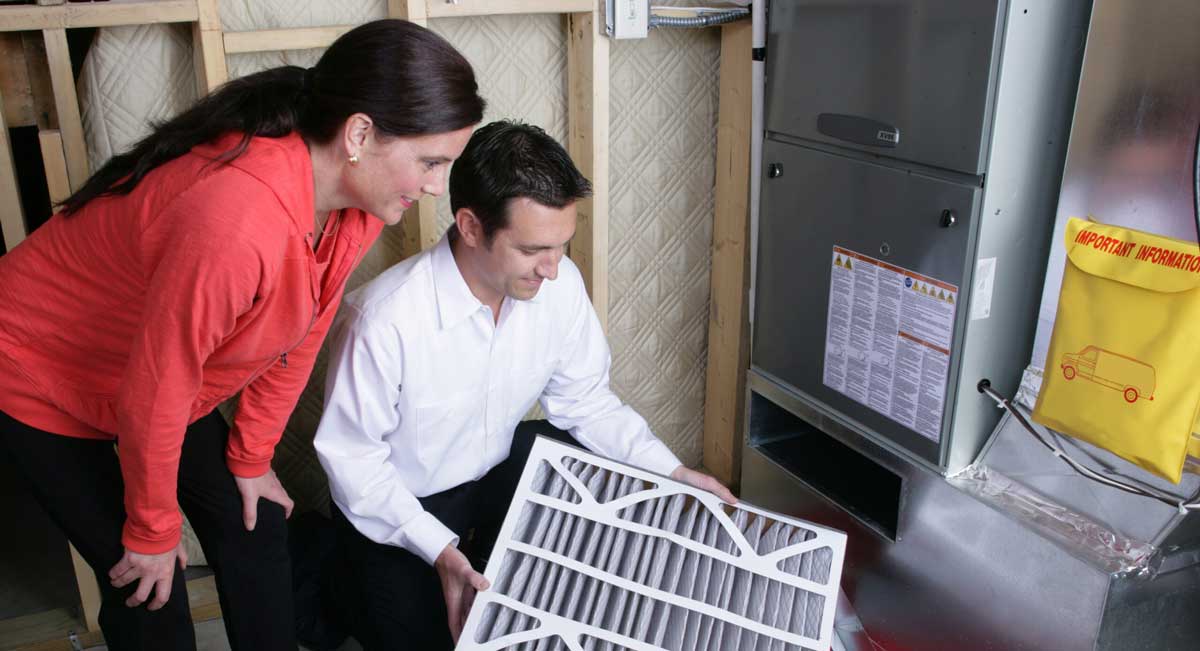
The second cause could be your heater itself. Replacing air filters and regular maintenance may seem like something you can skip but is critical for maintaining heat in the home. A dirty filter causes your system to work harder to move the air through. When your unit is running inefficiently, it won’t be able to keep up with its demands, and therefore it won’t deliver the heat you are expecting.

3. Your insulation or waterproofing may need an update

If it’s not the vents or the heating unit, the next thing to consider is your home’s insulation and weatherproofing. Heat could be escaping through any gaps in the windows or doors or through the attic. Inspect around these areas and if you can feel the air, then replace the weatherstripping. As for insulation, you don’t necessarily need to redo the insulation; it could just mean you need to add more to your existing insulation.

4. You need to invest in a humidifier

Don’t forget the impact of humidity. The more humid the air is, the warmer it feels. Heating your home all winter can lead to dryer air in the house, and this dry air might make the space feel colder. Adding a humidifier can create more moisture in the air, making a room feel warmer.

5. Your ductwork isn’t configured correctly

If you’ve checked all these things and still feel cold despite the heat running, it could be the ductwork. Ductwork is the mechanism that delivers the heath throughout your home. The size, room layout, and proximity to your heat source are all things that impact the heat in your rooms. A room may be unevenly heated or colder than other rooms if the ductwork is not configured or sized correctly for the room or if the air is escaping the ductwork.

Spencer Home Services Can Keep You Warm

You want your home to feel comfortable and expect it to be warm when running the heater. Your vents, heating unit, insulation, humidity, and ductwork can all be reasons why your house is still cold. Addressing these issues will keep all the rooms in your home heated and warm.

At Spencer Home Services, we offer professional heating services, repairs, installation, and replacement. Schedule a service online or call us at (978) 651-1840, and we will provide you with options.

5 THINGS TO LOOK FOR BEFORE BUYING A NEW WATER HEATER

shower head

Your hot water heater is the third largest energy user in your home. The amount of time it runs depends on its age, temperature, cleanliness, and size. When something is amiss with one of these factors, your water heater may not function correctly, which can lead to costly repairs or the need to buy a replacement. When that time comes, there is more to consider than the initial upfront cost.

Here are five things to look for before buying a water heater:

Fuel Source
When buying a new water heater, the first thing to know is your home’s primary fuel source since this will determine what type of water heater you need. Some water heaters are specifically made for an electric fuel source, while others work with natural gas or propane. Electric models may be less expensive than natural gas or propane models, but the latter may be more energy-efficient over the water heater’s life.

Type of Water Storage
Once you identify the type of fuel source, the next decision is based on your storage requirements. Typically, most hot water heaters store and heat water in an insulated tank where it sits until it’s needed. With these models, you pay to heat and store your water 24 hours a day.

An alternative is a tankless water heater. With tankless water heaters, water passes through a series of coils to heat, eliminating the need for a tank. This type of water heater can be more energy-efficient, but water is limited to a flow rate of 3.5 – 4.0 gallons of water a minute. If you need hot water in more than two places at the same time, a tankless water heater may not be the best option for you.

Capacity
If you choose a water heater with a tank, you’ll want to consider its storage capacity. So, how many gallons of water can the water heater store at one time? Units range anywhere from 28-30 gallons all the way up to 100 gallons. You can determine the size of the tank you’ll need based on the number of people living in your house.

Flow and Recovery Rates
You will also want to consider flow and recovery rates. The flow rate is the number of gallons per minute you use at any given time. Using hot water in more than one place simultaneously or using high flow fixtures such as spa showerheads impacts your flow rate. The recovery rate is the number of gallons able to be heated per hour while the tank is refilling.

Energy Efficiency
One of the most important factors when selecting a water heater is whether or not it’s energy efficient. After all, you’re not just paying for the water heater itself, but you’ll be paying its annual operating fees for the duration of its life. The Energy Factor (EF) rating measures how efficiently the unit converts energy into heat and how much heat is lost in storage. The higher the EF rating, the more efficient the unit is, saving you money on monthly heating costs.

Extend the Life of Your Hot Water Heater

Your water heater uses a ton of energy in your home. When it comes time to buy a new one, you need to consider the fuel source, storage, capacity, function, and energy efficiency. All of these factors will impact not only the upfront investment in your water heater but the on-going operating costs too.

Your water heater will last longer when you keep it properly maintained. Spencer Home Services has water heater specialists who can maintain, repair, and replace home water heating systems and provide you with the knowledge you need to make smart decisions regarding your water heater.

Do you need to repair or replace your water heater? Schedule a service online or call us at (978) 440-1646, and we will provide you with options.

6 SIGNS YOUR DRAIN MIGHT BE CLOGGED

have your kitchen sink inspected

A clogged drain is a pretty common household problem. However, you may not realize it’s an issue until a clear sign shows you so. Knowing how to spot the less obvious indicators that your drain might be clogged can help you address the problem early, saving you money and frustration down the line.

Here are six signs your drain might be clogged:

1. Slow drainage

A slow drain is usually the first thing we think of when it comes to a clog. Slow draining means the pipe has become constricted by a growing layer of grime. With bathroom sinks and showers, this grime is due to hair, soap, and toothpaste. Whereas for kitchens, this is often from grease, soap, and food particles. It can be tempting to use liquid drain cleaners to solve this problem. However, they aren’t that effective and can be harmful to you, the environment, and your plumbing.

2. Water backing up

Water backing up in your sink, bathtub, shower, or toilet is another obvious sign. Usually, the pipe is so clogged that water simply cannot drain out as quickly as it comes in. Another sign that your water is backing up is finding food particles in your sink after running the dishwasher.

3. Overflow in the toilet

An overflowing toilet is another indication that you have a clog. These clogs are typically the result of using too much toilet paper or flushing items you shouldn’t—like paper towels, Q-tips, or feminine products. This blockage could harm the pipe or result in an overflow that can damage the entire bathroom.

4. Odd odors

Often, you’ll be able to smell the signs of a clog before you see them. So, if you’re starting to notice a foul odor coming from the drain, take caution. As the clog goes unattended, it can trap hair, food, and other debris, which leads to the unpleasant aroma. Although water may be flowing initially, a back up is more than likely to occur.

5. Gurgling sounds

Gurgling sounds or other noises indicate a water flow disruption. Similar to when you only notice a smell, water can still flow while experiencing this issue, so you might not think there’s an immediate need for clogged drain services. However, gurgling indicates water is not flowing freely. The noise comes from the air trapped in the plumbing, caused by a buildup in the drain.

6. Lawn irregularities

You might not equate your lawn with a potential clogged drain. However, pipe failures can not only cause clogs, but they allow water to leak, which can irrigate your lawn. If you notice sudden green patches or a puddle in your yard that’s not from the rain, it could be a sign of an issue with your outside pipes.

Water backing up or slow drains are more than just a nuisance. Knowing these can be signs your drain is clogged helps you to be proactive. This is especially true when it comes to gurgling, odd odors, and lawn irregularities. Getting clogged drain repairs early can reduce its potential to develop into a more significant plumbing issue down the line.

Ready to book an appointment for clogged drain repair? Schedule a service online or call us (978) 440-1646.